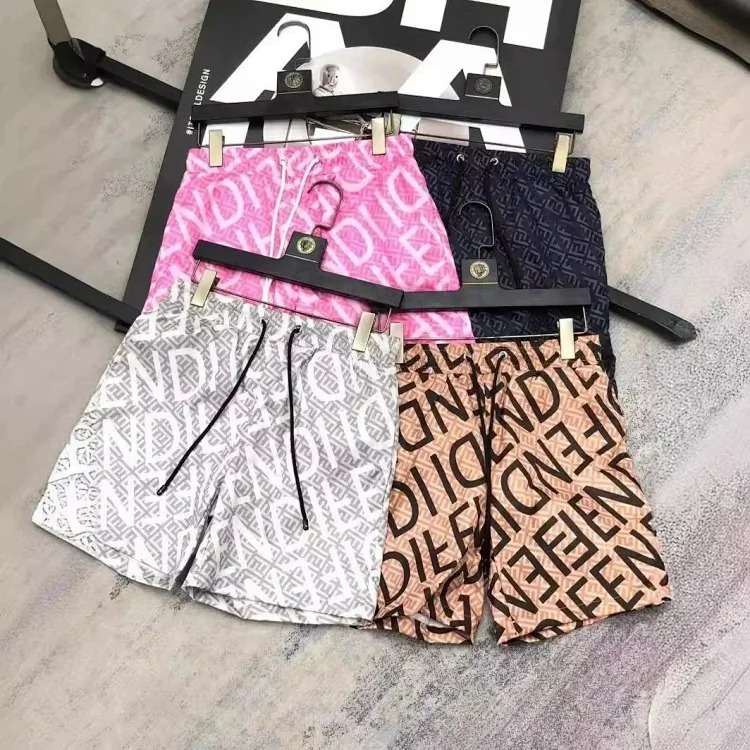
 New foreign trade beach pants all-over printed shorts casual for men and women couples thin-CYall-products source link
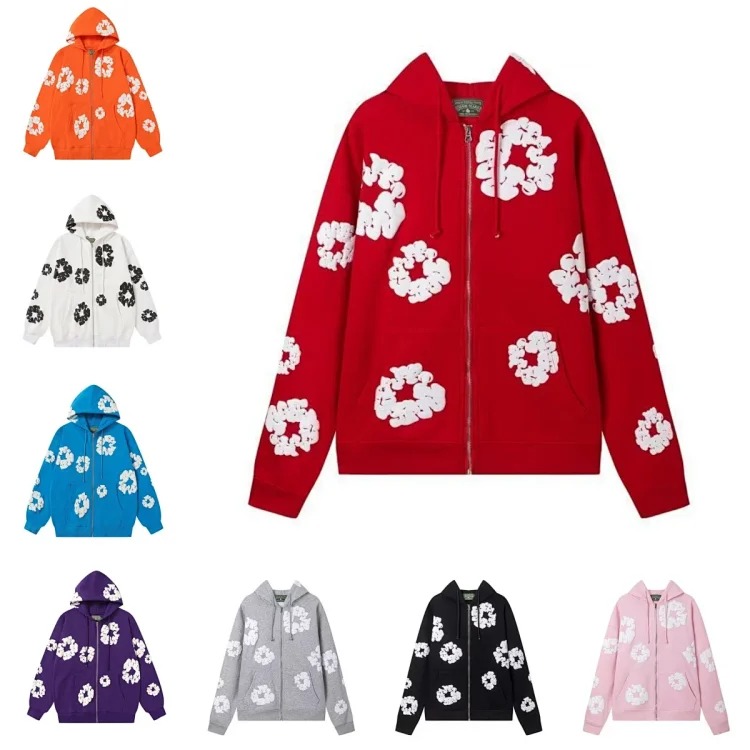 Trendy simple and versatile hoodie 34all-products source link
 Self-operated 20250328all-products source link
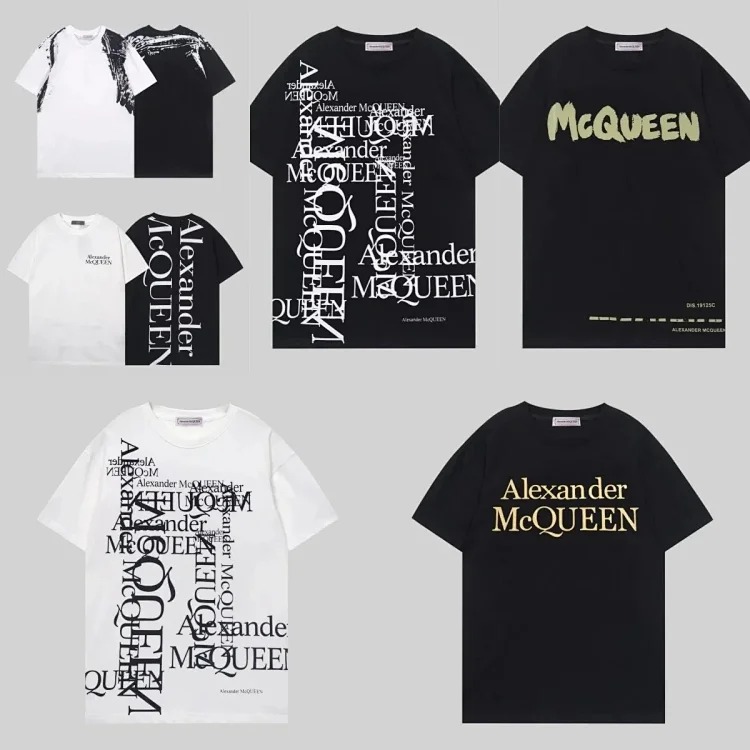 Letter graffiti colorful men’s and women’s T-shirts-CYall-products source link
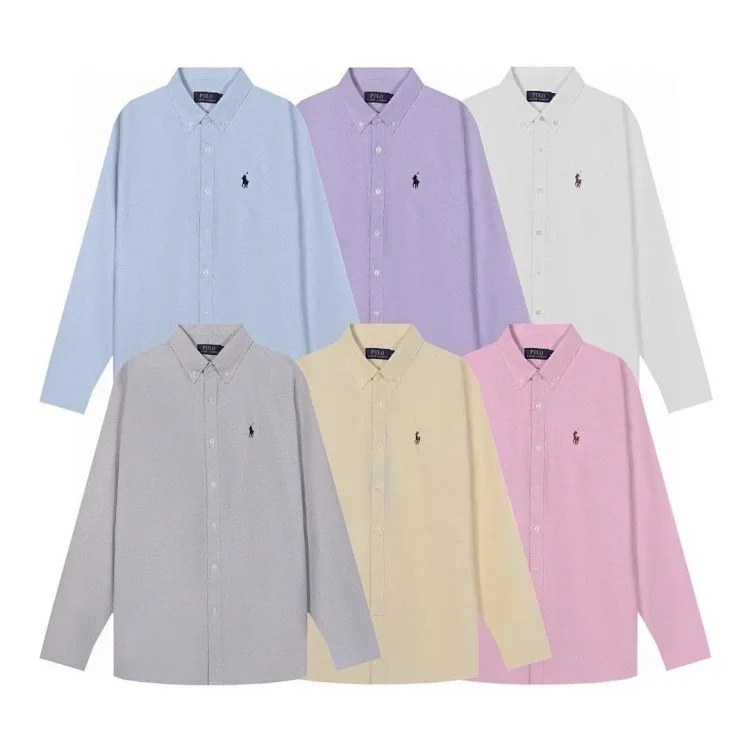 Shirt jacket Ralph Laurenall-products source link
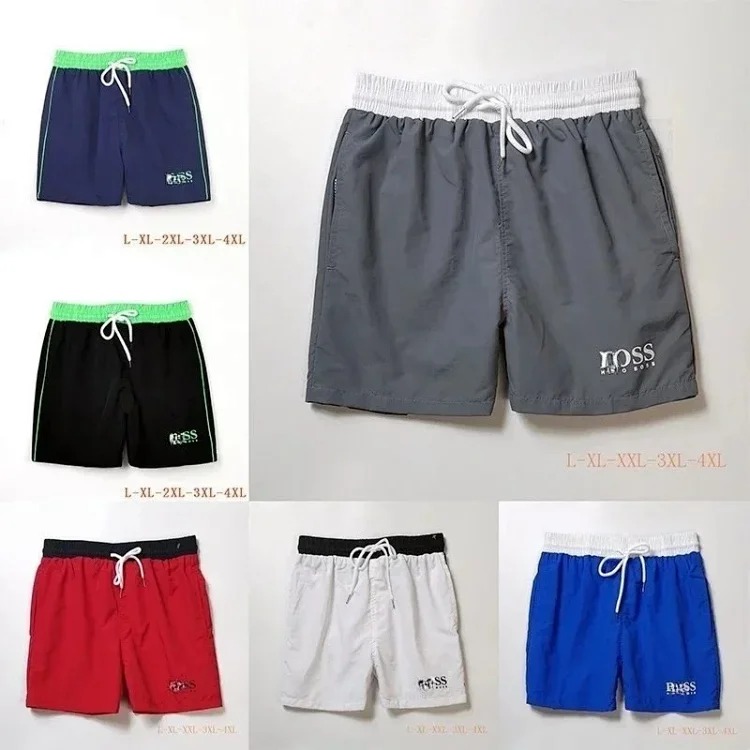 Summer casual fitness running shorts men's foreign trade original single sports loose breathable quick-drying four-quartall-products source link
Why this Superbuy guide exists
How to Use a Superbuy Spreadsheet Before Opening a Buy Link is written for shoppers who want a cleaner Superbuy spreadsheet workflow before they open a buy link. The target question is superbuy spreadsheet, but the practical goal is bigger: slow down the buying decision, compare real OutfitReps product pages, and keep QC notes in one place. A useful Superbuy guide should help a buyer understand the product category, the quality-control checks, the sizing risks, and the agent route before any parcel reaches the warehouse. This article uses examples such as New foreign trade beach pants all-over printed shorts casual for men and women couples thin-CY, Trendy simple and versatile hoodie 34, Self-operated 20250328, Letter graffiti colorful men’s and women’s T-shirts-CY so the guidance stays connected to visible product pages instead of empty theory.
How to compare OutfitReps product links
Start with at least five related product or category links, then compare them as if you were building a research board. Look at the product title, main image, category, visible price cues, size clues, and whether the page gives enough information for a Superbuy order note. When a page is too thin, save it only as a reference and look for another listing with stronger photos. A Superbuy spreadsheet becomes useful when every link has a reason: one item may be the best price reference, another may show better material detail, and another may be a stronger final buy-link candidate.
QC photos and detail checks
The QC step should be planned before ordering. For shoes, review toe shape, sole profile, heel tab, panel spacing, label details, and box photos. For hoodies and T-shirts, check collar shape, print placement, sleeve length, fabric weight, tag clarity, and color under neutral light. For bags and accessories, inspect hardware tone, stitching, strap shape, logo scale, and inner compartments. Put these checks beside the Superbuy product find so that when warehouse photos arrive, the buyer can compare the item against the original product page instead of guessing from memory.
Size, material, and seller notes
Sizing is one of the easiest places to make a mistake. The article should remind readers to compare measurements, not just label size. A hoodie can look oversized in the listing but still run short in length. Pants may need waist, inseam, rise, and leg opening checks. Shoes need size conversion and shape comparison. Material notes are also important: fleece weight, knit texture, leather grain, canvas stiffness, lining, and zipper quality can change how an item feels in hand. Seller notes, stock warnings, and return limitations should be saved before using the agent route.
Agent route and shipping workflow
A Superbuy buying guide should connect product research to the shipping decision. Once the buyer chooses a link, they should record the product URL, category, expected price, QC requests, size, color, and any seller note. After purchase, warehouse photos should be reviewed before consolidation. Heavy jackets, boxed shoes, structured bags, and fragile accessories can change shipping weight quickly, so the buyer should keep parcel planning in mind early. The best workflow is simple: browse the spreadsheet, compare product details, check QC, then open the buy link only when the route is clear.
How to turn research into an order note
After choosing a product, the buyer should convert the research into a short Superbuy order note instead of sending a vague request. Mention the exact color, size, version, seller option, and any visible detail that matters, then list the QC photos that should be checked after the item reaches the warehouse. A practical note can ask the agent to confirm the front and back product photos, tag image, measurement photo, material close-up, packaging condition, and any seller-specific option. This turns the Superbuy spreadsheet from a browsing page into a real buying checklist, which is the difference between saving a link and preparing an order that can be reviewed later.
Internal links and next steps
After reading this guide, users should return to the Superbuy homepage, open the news guide list, and compare related OutfitReps category pages. Internal links matter because they help readers move from a general Superbuy spreadsheet question into a specific buying task. A strong long-tail article should link back to the homepage, link to /news/ for more guides, link to related product categories, and include at least five OutfitReps product or category links. This creates a useful path for buyers and a clearer topical signal for Google search.
Publishing and indexing reminder
Every new Superbuy article should be published on a natural schedule rather than dumped in bulk. The target cadence is two or three guides per week, with each guide built around a specific long-tail phrase. After publishing, the system should update sitemap.xml, write a reminder for Google Search Console, and identify important articles that deserve a manual Request Indexing action. This keeps the site growing with searchable Superbuy content while still making every page useful for real buyers.
Back to Superbuy Spreadsheet homeMore Superbuy guidesContent publishing planRelated OutfitReps category